

01 Sep April Outlook: Tariff Pressure Mounts, but Mexico and Canada Offer a Strategic Advantage
April Outlook: Tariff Pressure Mounts, but Mexico and Canada Offer a Strategic Advantage
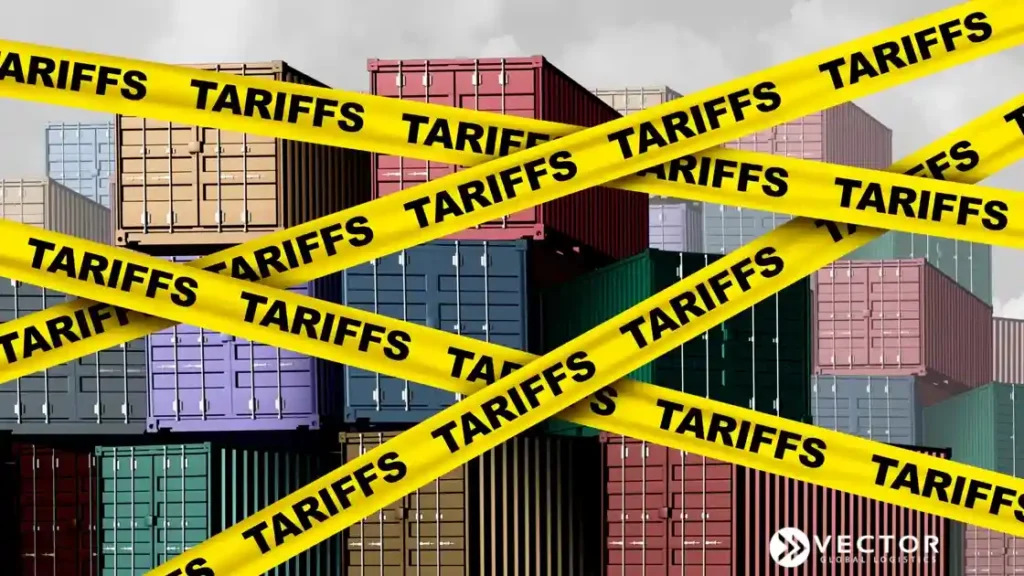
As of April 17, 2025, new U.S. tariffs and shifting global trade dynamics are forcing companies to reevaluate sourcing, pricing, and supply chain resilience. With over 60 countries now affected by a new 10% import tariff, inflation risks are rising, and the need for strategic adaptation has never been greater. However, there’s a silver lining for North America—Mexico and Canada have been exempted from the new tariff wave, presenting unique opportunities for nearshoring and cost containment.
- New U.S. Tariffs on Over 60 Countries
Implementation. A new 10% tariff is now in place on imports from over 60 countries. While “reciprocal” tariffs (as high as 47%) have been paused for 90 days, the baseline 10% duty remains active across most goods, with exceptions for smartphones, computers, and semiconductors.
Impact. This move is expected to push consumer inflation upward—economists estimate that every 10% tariff results in a 4% price increase for end users. Supply chain costs are expected to rise across electronics, manufacturing, and consumer goods.
- Mexico and Canada: Supply Chain Safe Havens
Exemption Status. Mexico and Canada are exempt from the new 10% tariff, offering businesses a competitive edge.
Why it matters:
Nearshoring Gains Momentum: Mexico’s proximity and low manufacturing costs (wages nearly 4x lower than U.S. averages) are making it a favored option for companies moving production out of Asia.
Fresh Produce Advantage: Over 80% of U.S. vegetable imports come from Mexico, and this trade flow remains unaffected.
Auto & Industrial Sectors: While some items still face the original 25% tariff (e.g., steel and aluminum not covered by USMCA), the relative positioning of Mexico remains strong.
- Other Notable Developments
Semiconductors: The U.S. Commerce Department is preparing new chip-specific tariffs, expected within 1–2 months.
China’s Retaliation: Tariffs on all U.S. imports were raised to 125%. Export controls on rare earths and magnets continue to impact the green tech and defense sectors.
EU & UK Responses: The EU has paused $23B in retaliatory tariffs for negotiations. The UK aligns with the EU’s Carbon Border Adjustment Mechanism, risking potential U.S. backlash.
What This Means for Your Business
With tariffs reshaping trade routes, costs, and competitiveness, it’s time to act, not wait.
Whether you’re:
- Exploring new sourcing options
- Recalibrating your logistics strategy
- Considering Foreign Trade Zones (FTZs)
- Securing warehousing ahead of tariff-related surges
- Looking for alternative lanes or faster transit times
We’re here to help you move fast, smart, and ahead of the curve.
Due to the speed of tariff news, we will be updating this LinkedIn newsletter with the latest info.
Panorama de Abril: Aumenta la Presión Arancelaria, pero México y Canadá Ofrecen Ventajas Estratégicas
A partir del 17 de abril de 2025, los nuevos aranceles impuestos por EE.UU. y los cambios en la dinámica del comercio global están obligando a las empresas a reevaluar sus estrategias de abastecimiento, precios y resiliencia en sus cadenas de suministro. Con más de 60 países afectados por un nuevo arancel del 10% a las importaciones, el riesgo de inflación aumenta y la necesidad de adaptación estratégica es más urgente que nunca. Sin embargo, hay un rayo de esperanza para América del Norte: México y Canadá han quedado exentos de esta nueva ola arancelaria, lo que abre oportunidades únicas para el nearshoring y el control de costos.
- Nuevos Aranceles de EE.UU. a Más de 60 Países
Implementación. Ya está vigente un nuevo arancel del 10% sobre importaciones provenientes de más de 60 países. Aunque los llamados “aranceles recíprocos” (que llegaban hasta el 47%) han sido suspendidos por 90 días, el arancel base del 10% sigue aplicándose a la mayoría de los productos, con excepciones para teléfonos inteligentes, computadoras y semiconductores.
Impacto. Se espera que esta medida impulse la inflación al alza: los economistas estiman que cada aumento del 10% en los aranceles podría traducirse en un incremento del 4% en los precios al consumidor. También se anticipa un aumento de los costos logísticos en sectores como la electrónica, manufactura y bienes de consumo.
- México y Canadá: Refugios Estratégicos para la Cadena de Suministro
Estatus de Exención. Tanto México como Canadá están exentos del nuevo arancel del 10%, lo que les da a las empresas una ventaja competitiva clave.
¿Por qué es importante?
Impulso al Nearshoring: La cercanía geográfica de México y sus bajos costos de manufactura (con salarios casi 4 veces menores que los de EE.UU.) lo posicionan como una opción atractiva para empresas que buscan relocalizar su producción fuera de Asia.
Ventaja en Productos Frescos: Más del 80% de las verduras importadas por EE.UU. provienen de México, y esta dinámica comercial se mantiene sin afectaciones.
Sectores Automotriz e Industrial: Aunque algunos productos siguen sujetos al arancel del 25% (por ejemplo, acero y aluminio fuera del T-MEC), la posición relativa de México sigue siendo sólida frente a otros competidores globales.
- Otros Acontecimientos Relevantes
Semiconductores: El Departamento de Comercio de EE.UU. está preparando nuevos aranceles específicos para chips, que se esperan dentro de 1 a 2 meses.
Respuesta de China: Se elevaron los aranceles a todas las importaciones provenientes de EE.UU. hasta un 125%. Las restricciones a la exportación de tierras raras y componentes magnéticos siguen impactando los sectores de tecnología verde y defense.
Reacciones de la UE y el Reino Unido: La Unión Europea ha pausado la aplicación de $23 mil millones en aranceles de represalia mientras avanzan las negociaciones. El Reino Unido se está alineando con el Mecanismo de Ajuste en Frontera por Carbono (CBAM) de la UE, lo que podría generar tensiones con EE.UU.
¿Qué Significa Esto Para Tu Negocio?
Con los aranceles redefiniendo rutas comerciales, estructuras de costos y niveles de competitividad, es momento de actuar, no de esperar.
Ya sea que estés:
- Explorando nuevas opciones de abastecimiento
- Recalibrando tu estrategia logística
- Considerando el uso de Zonas Francas (FTZs)
- Asegurando almacenamiento ante posibles aumentos por aranceles
- Buscando rutas alternativas o tiempos de tránsito más rápidos
Estamos listos para ayudarte a moverte rápido, con inteligencia y siempre un paso adelante.
Debido al ritmo acelerado de noticias sobre aranceles, estaremos actualizando esta newsletter en LinkedIn.
2. A New Chapter Rooted in Purpose: Welcome to Our Ukraine Office
When conflict disrupts lives and devastates communities, logistics can become a lifeline. Since the early days of the invasion in 2022, the people of Ukraine have faced unimaginable challenges—and they’ve met them with extraordinary resilience.
That’s where we come in.
Through our Leveraging Logistics for Ukraine initiative, we’ve worked side by side with partners around the world to deliver critical support. Now, we’re honored to take that commitment further.
Our new office in Lviv, Ukraine is more than an expansion—it’s a symbol of solidarity and a strategic step to help rebuild, restore, and reconnect.
From humanitarian aid to supply chain solutions that power long-term recovery, this new chapter allows us to serve where we’re needed most—with purpose, courage, and heart.
In case you want to get in touch with our Ukraine team, you can send an email to [email protected].
Learn more about Leveraging Logistics for Ukraine.

3. Now More Than Ever, Let’s Celebrate the People Who Keep the World Moving
In the face of geopolitical uncertainty and mounting supply chain challenges, there’s one constant: the resilience and dedication of the people behind the scenes.
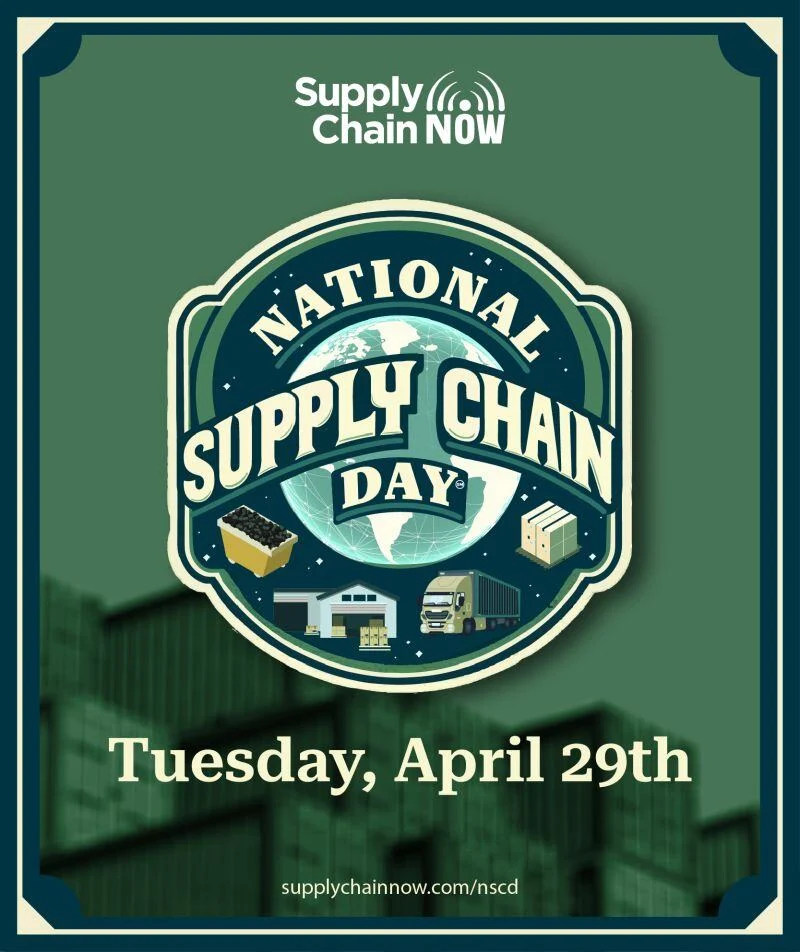
National Supply Chain Day is coming up on April 29, and it’s the perfect moment to pause and recognize the professionals who make the world work, no matter the obstacles.
From your morning coffee to life-saving medical supplies, the supply chain touches every part of life. And behind every shipment, every route, every on-time delivery, there’s a person making it happen.
This special day is proudly organized by our friends at Supply Chain Now, and we’re thrilled to be part of the movement that’s highlighting the innovation, grit, and impact of this global community.
Join us in celebrating those who keep us connected.
Register here.
4. Thought Leadership Spotlight: Making Sense of Tariffs in a Turbulent World
With trade policies shifting by the day, it can be tough to cut through the noise and understand the bigger picture.
That’s why we’re highlighting a timely and insightful piece from Harvard Business Review and the BCG Henderson Institute:
“Understanding the Global Macroeconomic Impacts of Trump’s Tariffs” (April 10, 2025)
This article offers a simple yet powerful framework to help businesses grasp the ripple effects of current U.S. tariffs—whether a country is being tariffed or is the one imposing tariffs. Each scenario creates different supply and demand shocks, with far-reaching implications for global supply chains, inflation, and resilience.
Read the full article here.
If you’re rethinking your sourcing, pricing, or operational strategy, this is a must-read.



Celebrating Earth Month with Small Actions and Lasting Change
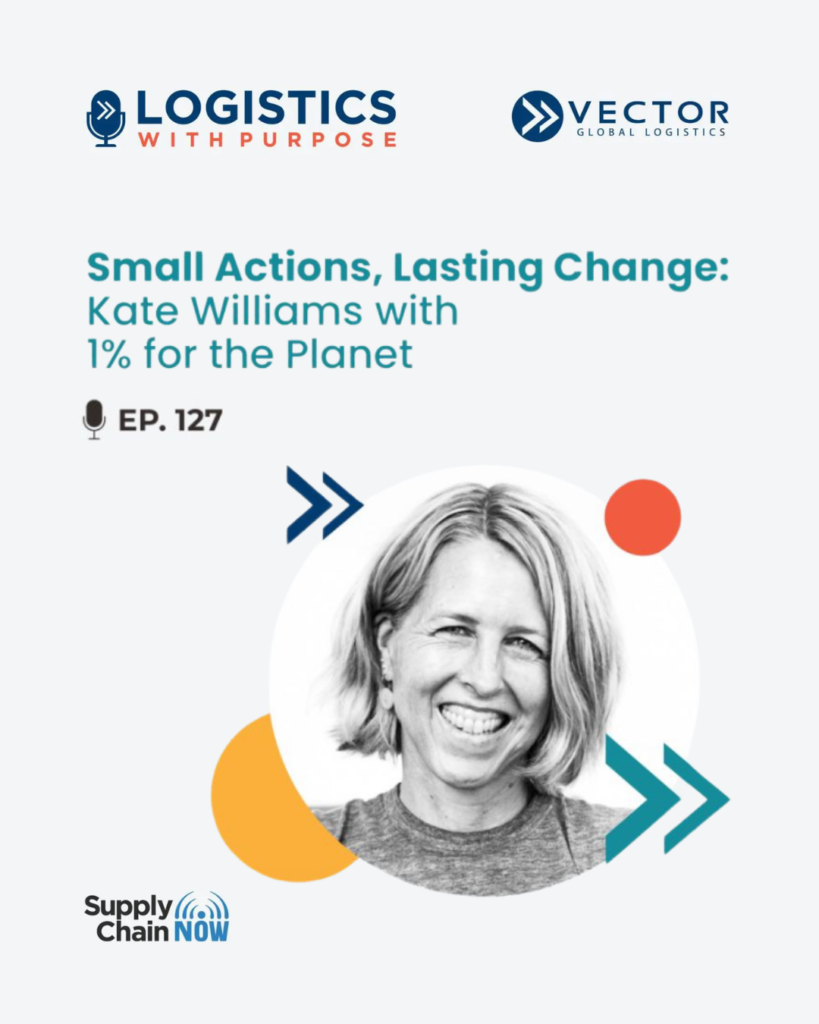
April is Earth Month—a time to reflect, reconnect with nature, and take meaningful action toward a more sustainable future. To mark the occasion, we’re thrilled to feature a powerful conversation with Kate Williams, CEO of 1% for the Planet, on our Logistics with Purpose podcast.
From helping companies turn purpose into practice, to reminding all of us that small actions can lead to lasting change, this episode is full of inspiration, wisdom, and practical advice for businesses and individuals alike.
Catch up on recent episodes: